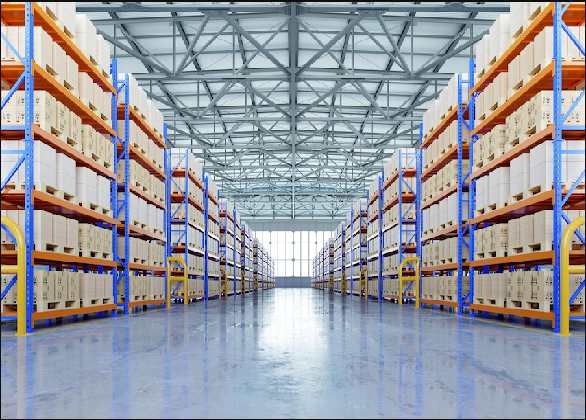
A busy warehouse needs more than extra storage space. It needs a smart system that keeps products organized and daily operations running smoothly. Heavy Duty Pallet Racking is a practical solution for businesses handling large quantities of heavy goods. It helps improve storage capacity, product access, and inventory management. But how does it make a real difference? In this guide, we will explore five important benefits and explain how to choose the right racking system for your warehouse.

What Is Heavy Duty Pallet Racking?
Heavy Duty Pallet Racking is a strong warehouse storage structure designed to hold heavy products stored on pallets. It usually consists of upright frames, horizontal beams, and support components.
Forklifts or other suitable handling equipment place and remove pallets from different storage levels. This makes it useful for warehouses, factories, distribution centres, and logistics facilities.
Unlike ordinary shelving, pallet racking is designed for larger loads and organized pallet storage. Businesses can select different configurations based on their available space, product sizes, and handling requirements.
A well-planned setup helps companies store more goods, manage inventory, and improve the movement of products throughout the warehouse.
5 Ways Heavy Duty Pallet Racking Improves Warehouse Efficiency
1. Maximizes Available Storage Space
One of the biggest advantages is better use of vertical space. Instead of storing every pallet on the floor, businesses can arrange products across multiple storage levels.
This helps increase storage capacity without expanding the warehouse building.
For example, a distribution centre can use available ceiling height to create additional pallet positions. However, rack height must suit the building, equipment, and safety requirements.
2. Improves Inventory Organization
A disorganized warehouse makes it difficult to locate products. Workers may spend extra time searching for stock or moving pallets unnecessarily.
A properly arranged Heavy Duty Pallet Racking layout gives each pallet a planned storage location.
Businesses can organize products by category, batch number, size, or demand. Clear labels and inventory tracking systems make identification easier.
This approach also supports better stock rotation and helps reduce picking mistakes.
3. Speeds Up Loading and Unloading
Time matters in warehouses where products move throughout the day. Poor storage arrangements can slow down loading, unloading, and order preparation.
Pallet racking creates organized storage positions that forklifts can access according to the selected rack design.
For example, frequently needed products can be placed in convenient locations. This reduces unnecessary movement and helps employees complete warehouse tasks faster.
The aisle layout should also provide enough clearance for the handling equipment being used.
4. Improves Workplace Safety
Safe storage is essential when handling heavy products. Unstable pallet stacks and overloaded racks can create serious risks.
A properly designed racking system supports organized product placement and helps prevent unsafe floor stacking.
Always follow the manufacturer's load ratings and installation instructions. Display load notices where required, train forklift operators, and keep aisles clear.
Regular inspections can also identify damaged frames, beams, and connections before problems become more serious.
5. Supports Business Growth
Storage requirements often increase as businesses grow. More customers, products, and orders can place pressure on existing warehouse space.
A well-planned Heavy Duty Pallet Racking system can support changing inventory needs when designed with future expansion in mind.
Some layouts allow additional rack bays or changes to storage arrangements. However, any modification must be reviewed for structural safety and compatibility.
This flexibility can help businesses manage growth without constantly changing their entire warehouse setup.
How to Choose the Right Pallet Racking System
Choosing the right system requires more than comparing prices. Consider these practical steps before purchasing.
Step 1: Check your warehouse dimensions. Measure floor space, ceiling height, doors, columns, and available aisle areas.
Step 2: Understand your load requirements. Calculate pallet weights, dimensions, and the number of pallets you need to store.
Step 3: Select a suitable rack design. Compare selective, drive-in, and other pallet racking options based on stock rotation and access needs.
Step 4: Plan forklift movement. Make sure aisles and turning areas suit your handling equipment.
Step 5: Compare suppliers. Review material quality, load specifications, installation support, safety guidance, and warranty terms.
Common Mistakes to Avoid
Even quality racks can become inefficient when businesses overlook important details.
Overloading racks: Never exceed the stated load capacity.
Ignoring warehouse measurements: Plan rack height and aisle width before installation.
Choosing the wrong rack type: Match the design to your inventory and picking methods.
Skipping inspections: Check for damaged beams, frames, and connections regularly.
Poor pallet placement: Store pallets correctly and follow loading instructions.
Avoiding these mistakes helps protect employees, products, and warehouse equipment.
Where to Find More Information and Resources
Before investing in Heavy Duty Pallet Racking, review technical specifications and installation guidance from reliable manufacturers.
You can also consult the Occupational Safety and Health Administration (OSHA) for general workplace safety information. Businesses should follow applicable local safety regulations and seek advice from qualified storage-system professionals.
Warehouse management software can further improve inventory visibility and help track product locations.
Looking ahead, warehouses are increasingly adopting barcode scanning, automated handling equipment, digital inventory tracking, and data-based space planning. These tools can work alongside well-designed pallet racking to improve overall efficiency.
Conclusion
An efficient warehouse depends on organized storage, safe handling, and smart space planning. Heavy Duty Pallet Racking helps businesses increase storage capacity, improve inventory control, speed up daily operations, and prepare for future growth. The right design should always match product loads and warehouse requirements. Ready to improve your warehouse efficiency? Explore the industrial storage and racking solutions offered by Abazar Shelving and find the right option for your business.
Frequently Asked Questions
1. What is Heavy Duty Pallet Racking used for?
It is used to store heavy palletized goods in warehouses, factories, distribution centres, and logistics facilities. It allows businesses to organize products across multiple storage levels.
2. What are the main benefits of pallet racking?
The main benefits include increased storage capacity, better inventory organization, easier product access, improved warehouse movement, and more efficient use of vertical space.
3. How much weight can heavy duty pallet racks hold?
Capacity depends on the rack design, beam dimensions, frame specifications, and loading arrangement. Always check the manufacturer's load ratings before storing goods.
4. Which type of pallet racking is best for a warehouse?
Selective pallet racking suits businesses needing direct access to individual pallets. Drive-in systems can suit high-density storage with fewer product types. The best option depends on inventory and handling needs.
5. How often should pallet racking be inspected?
Racks should be checked regularly and after any impact or suspected damage. Follow manufacturer guidance and applicable safety rules. Have damaged components assessed by a qualified professional before continued use.